Digital interconnects
Digital
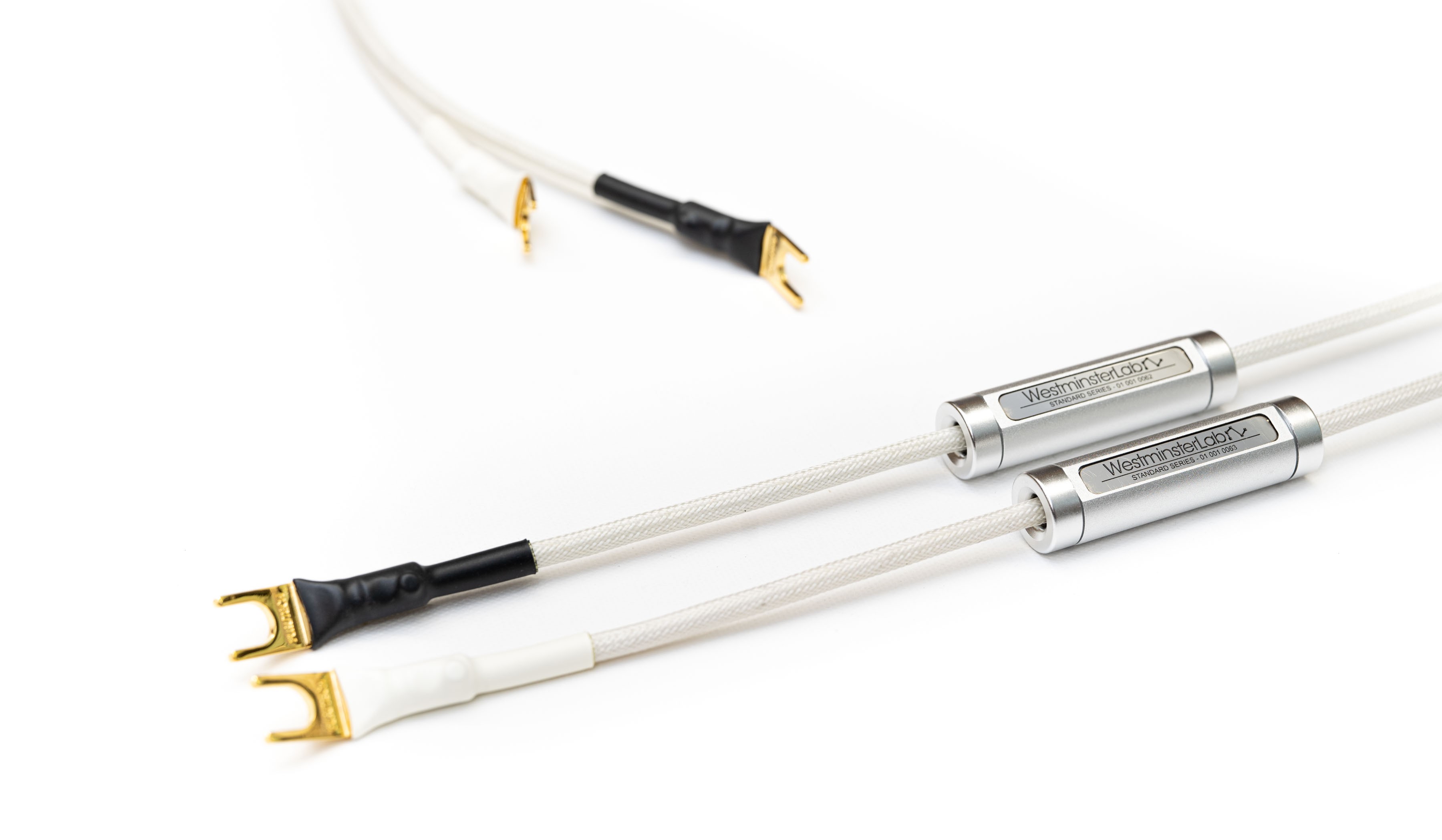
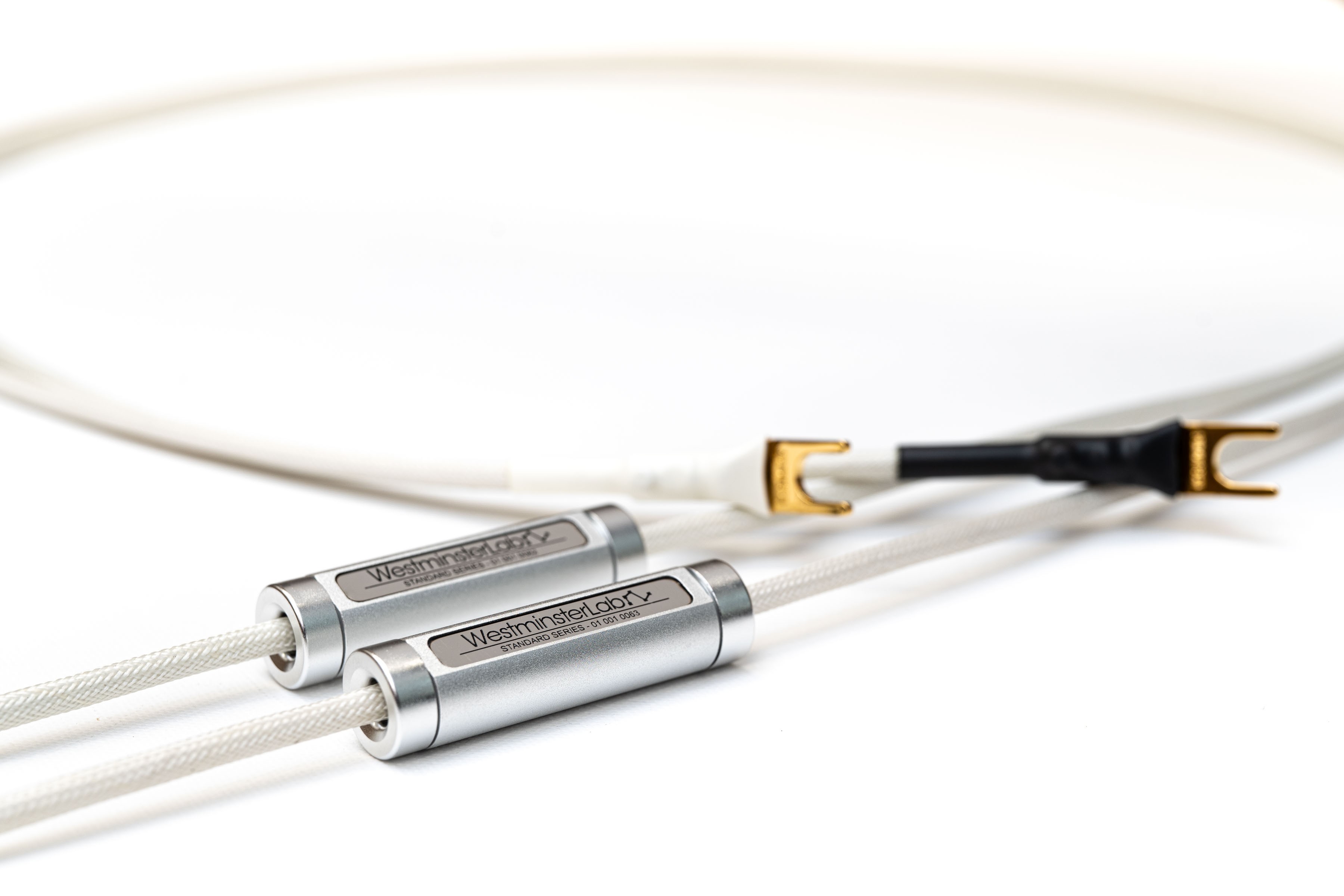
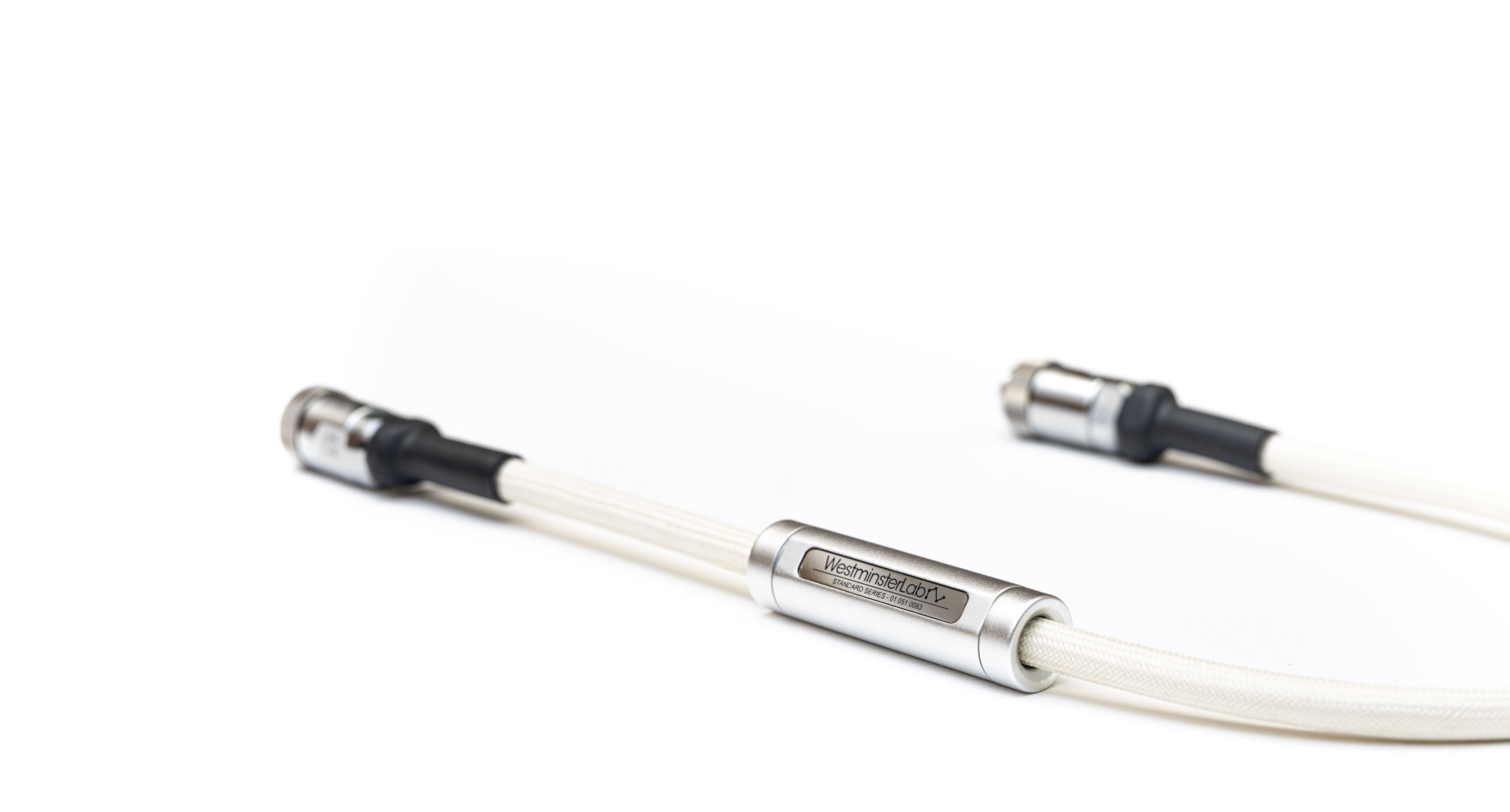
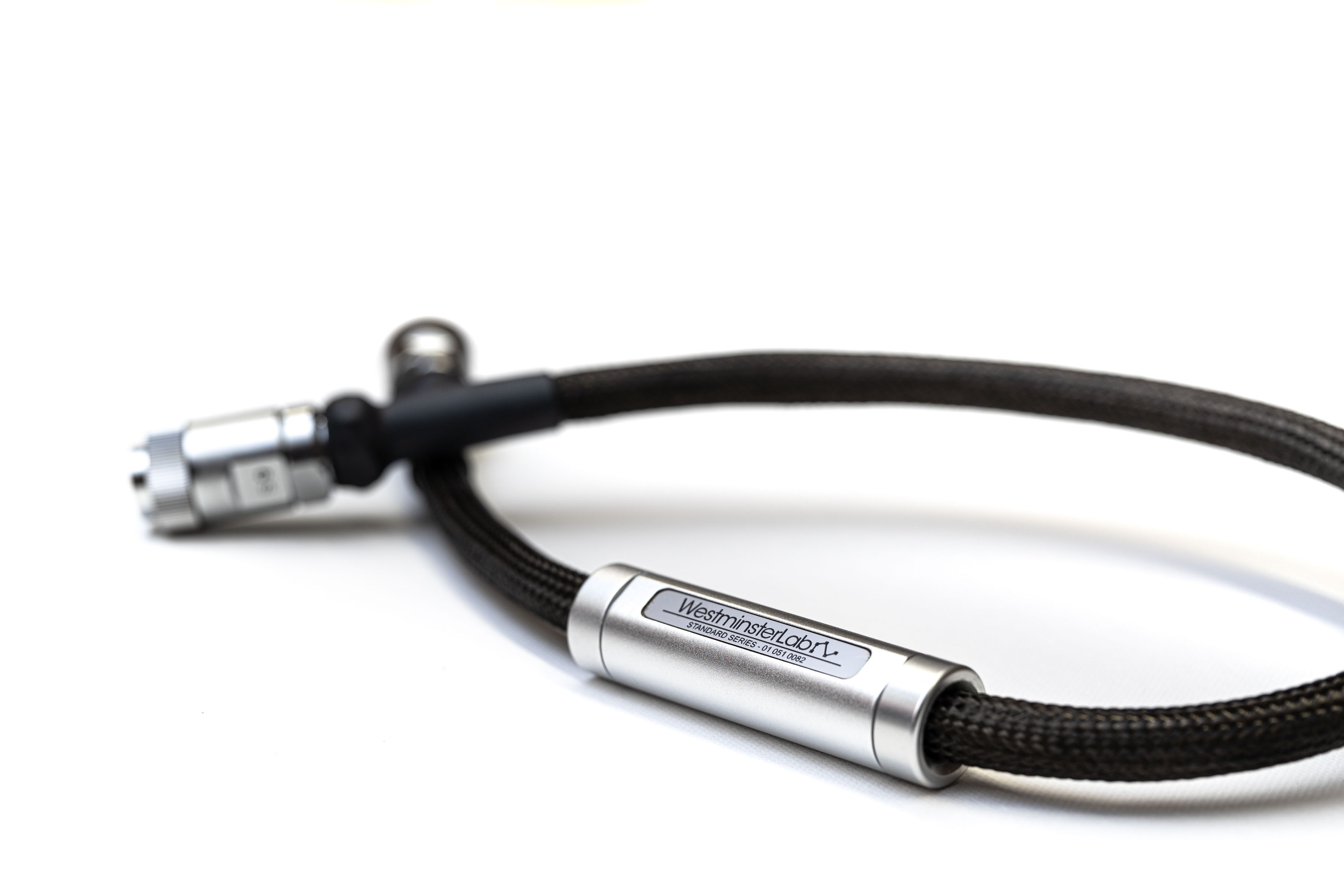
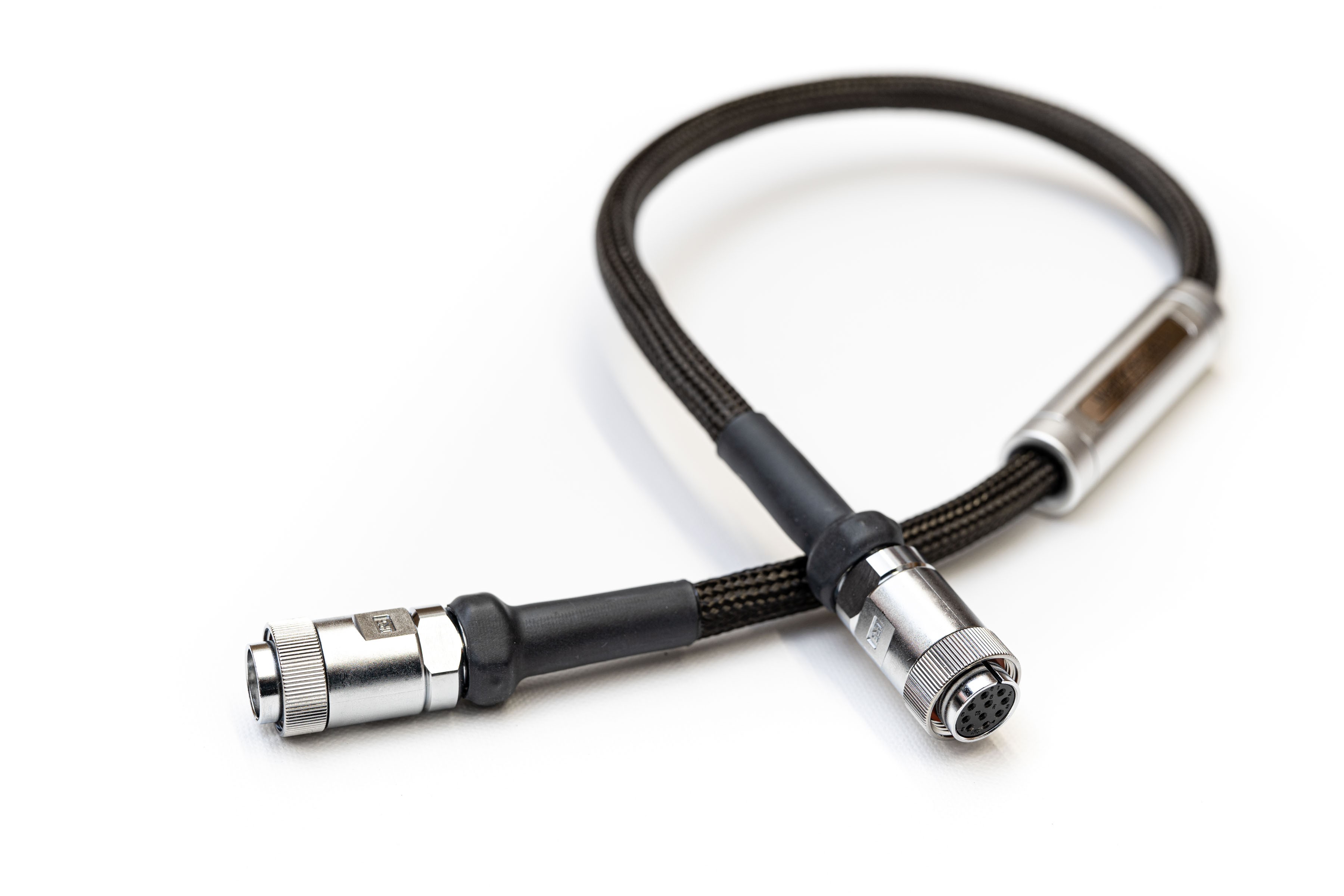
Digital interconnects — SPDIF, AES, USB, and related links — with impedance and geometry set for the protocol, not adapted after the fact.
Digital
Protocol first. Then silence.
Digital cables are not “analogue cables with different plugs.” Impedance, length steps, and shield strategy follow the signal type — 75 Ω SPDIF, 110 Ω AES, and USB/data paths each with their own brief.
The materials stay familiar: Autria Alloy, Vari-Twist where it helps, carbon-fibre shielding where metal would absorb and return noise.
The Role
Edges that stay edges.
Digital links move timed edges, not continuous analogue waveforms. Impedance mismatch, excess length, and absorbent shields show up as jitter, dropouts, or a stage that softens for the wrong reasons.
Each digital design starts from the standard — then the handwork keeps that standard intact over the calibrated length.
BNC / SPDIF
75 Ω · 1–4 m in 0.5 m steps
AES
110 Ω · 1–4 m in 0.5 m steps
USB
1–4 m in 0.5 m steps
In the System
Between clock domains.
Use SPDIF/BNC and AES where the transport and DAC expect those impedances. Use USB where the interface is USB — do not force one geometry to cover every digital job.
Keep lengths inside the published steps. Longer is not more “relaxed”; it is a different electrical problem.
Solid Core Conduction
One path. No strand hopping.
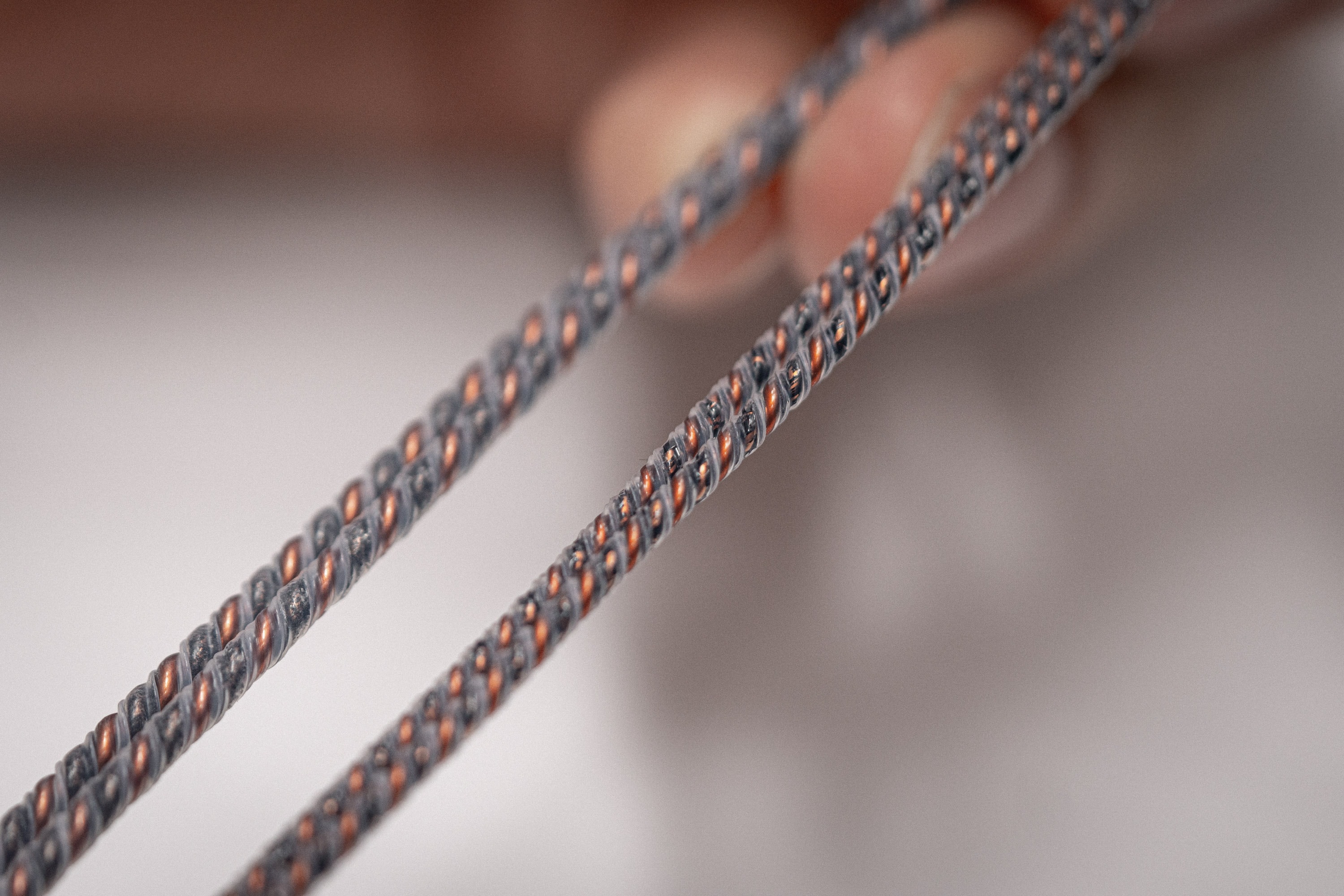
The goal is simple: the cleanest signals and power the system can carry. Testing made the foundation clear — solid conductors, not stranded.
Stranded wire is flexible and cheap to extrude. It also invites straying current: electrons leap between strands instead of flowing start to finish. That behaviour becomes incidental sound, loss of smoothness, and audible distortion.
Solid core keeps a single continuous path — so the cable carries the signal cleanly, without inter-strand current noise.
Bespoke Conductors
Autria Alloy — no grain boundaries.
Conductor material decides more than resistance. We tested high-purity copper, silver, gold, alloys, and plated metals. Higher frequencies travel on the outer perimeter; if the cross-section changes character toward the surface, speed and texture become uneven — imaging and stage lose accuracy.
Single-crystal copper and silver reduce grain jumps, yet still carry dense “copper sound” or “silver sound.” We wanted neither.
So we formulated our own conductor — Autria Alloy — then heat- and cryo-treated it after extrusion. Uniform properties across the section. Free from grain boundaries. Free from material signature.
Vari-Twist
Twisted — but never at one angle.
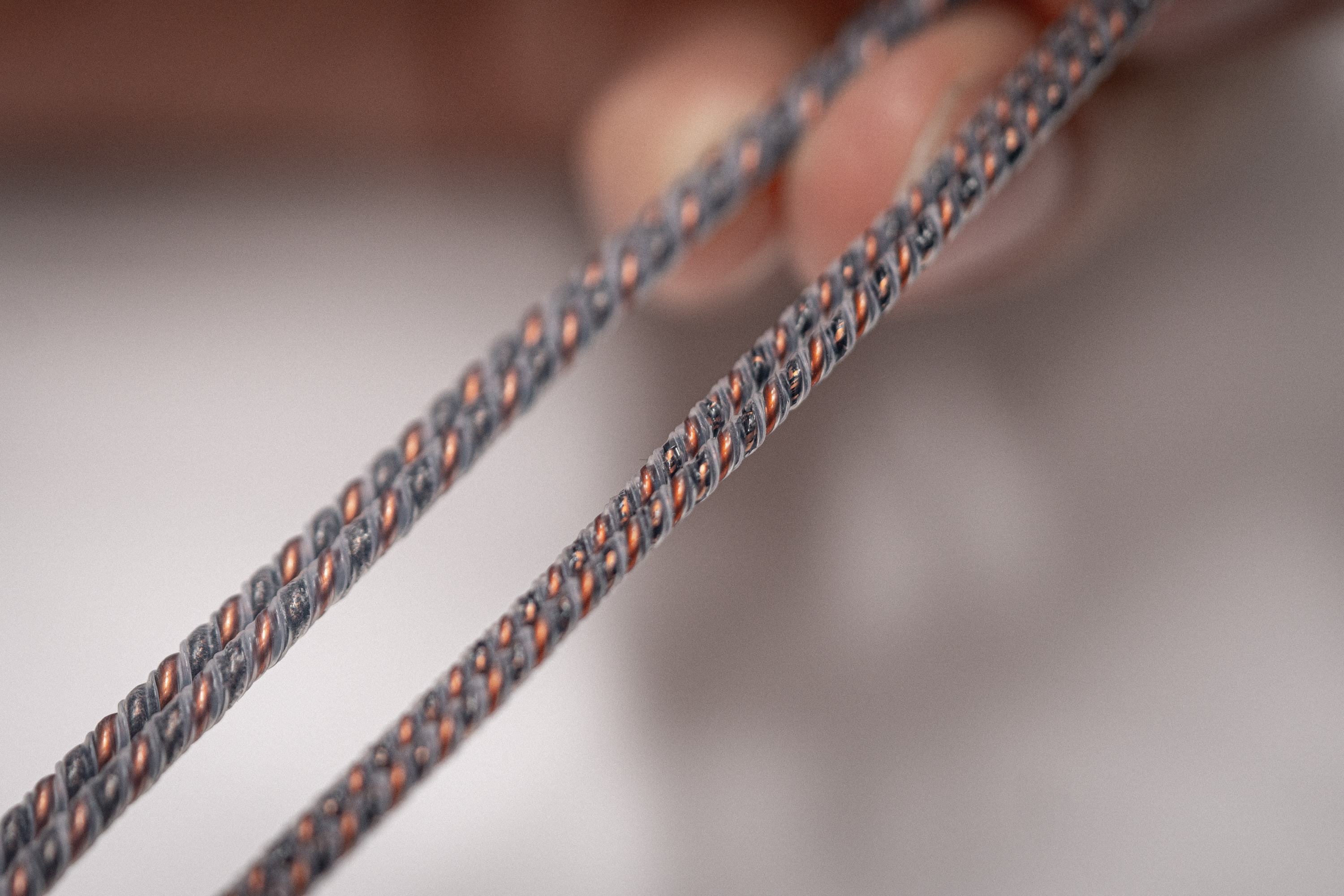
A simple twist reduces crosstalk, RFI, and EMI. Twist too hard, though, and capacitance and inductance rise, length grows, resistance grows, bandwidth narrows. A single fixed angle also resonates with particular frequencies.
Vari-Twist is our answer: the pair is twisted at a formulated, varying angle along the whole length. Interference stays low; resonance with any one band is diffused. Every length is calibrated for its duty.
Shielding
Carbon fibre — reject, don’t absorb.
Foil, braid, and metal tubes can claim total coverage. In our tests, metal absorbs interference and feeds it back — radio energy becomes electricity and magnetic field, dulling darkness, stage, and dynamics.
So we shield with carbon-fibre sleeve: unaffected by magnetic field, rejecting interference without absorption. Paired with Vari-Twist, the cable stays quiet without adding a metallic colouration.
100% Handmade
Hand-built to protect the conductor.
Machine twisting can undo the uniformity we worked for in the metal. So we build by hand — polished, insulated, coated, twisted, assembled, finished — slower by twenty to fifty times, freer from MOQ limits, wider in what we can offer. From roughly twenty hours to eighty, depending on the design.
No corners cut. Vari-Twist and Autria only stay consistent when the last millimetre is still human.
Three Grades, One Signature
Entrée. Standard. Ultra.
One sonic family, with more of the technology as you step up. Entrée introduces the range with natural ease. Standard brings the full set of our cable technologies. Ultra adds further complexity for systems that need the highest resolution.
The grade changes how much of the craft you bring in — not whether the cable colours the music.
Entrée
Natural ease — the first step into the WestminsterLab cable signature.
Standard
The full set of our cable technologies for everyday reference listening.
Ultra
Further complexity for systems that need the highest resolution.
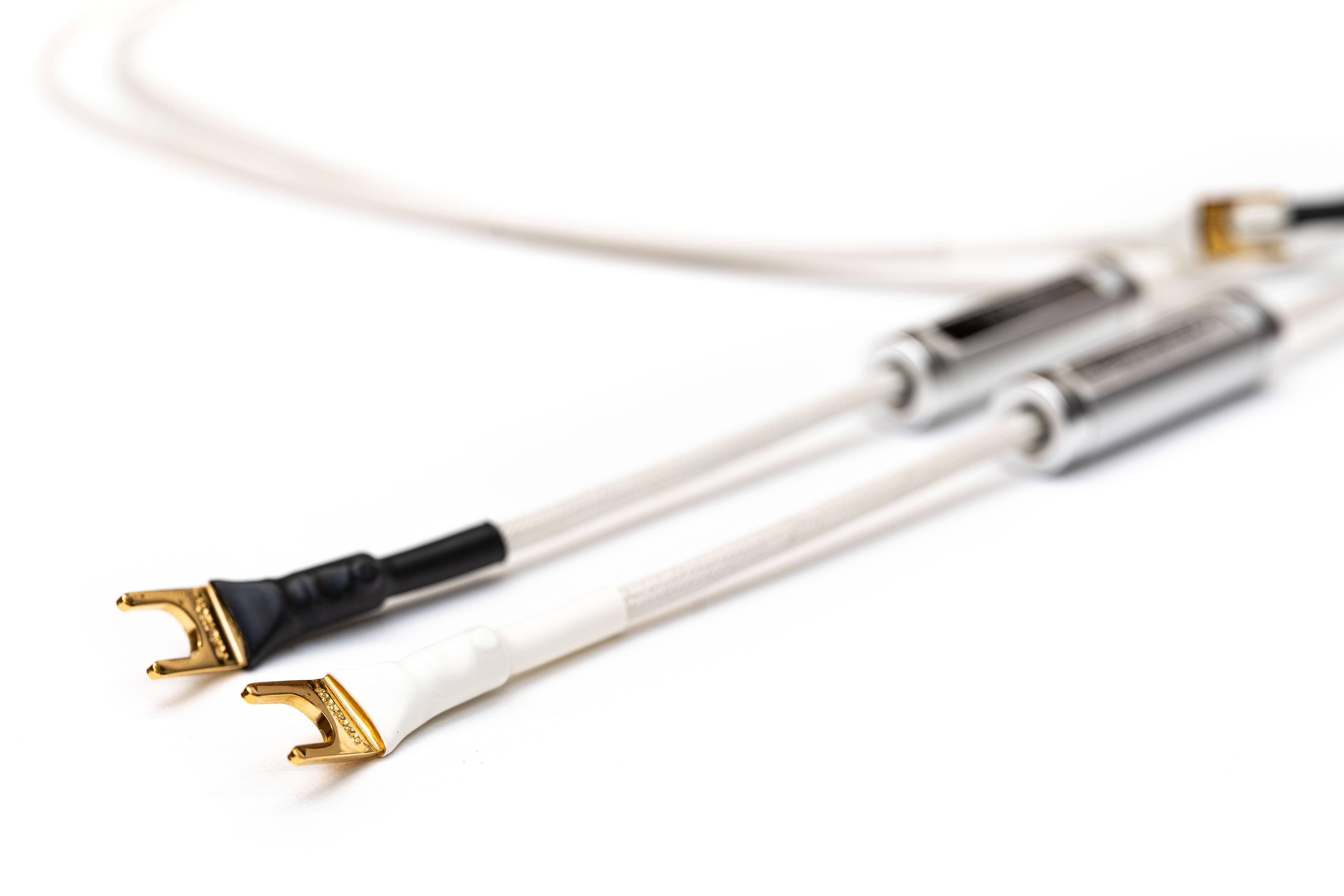
Craft
Made by hand in Hong Kong.
Hand crafted, hand polished, insulated, coated, twisted, assembled, and finished — every cable, every time.
Per cable
From 20 up to 80 hours
Gallery
Gallery.
Specification
Digital
- Conductor
- Autria Alloy — heat- and cryo-treated solid core
- BNC / SPDIF
- 75 Ω · 1–4 m in 0.5 m steps
- AES
- 110 Ω · 1–4 m in 0.5 m steps
- USB
- 1–4 m in 0.5 m steps
- Shielding
- Carbon-fibre sleeve (non-absorbing)
- Finish
- Hand-polished, epoxy-protected, PTFE insulated
- Grades
- Entrée · Standard · Ultra
- Origin
- Handcrafted in Hong Kong